Trading is simple when you master trendlines and risk management strategies
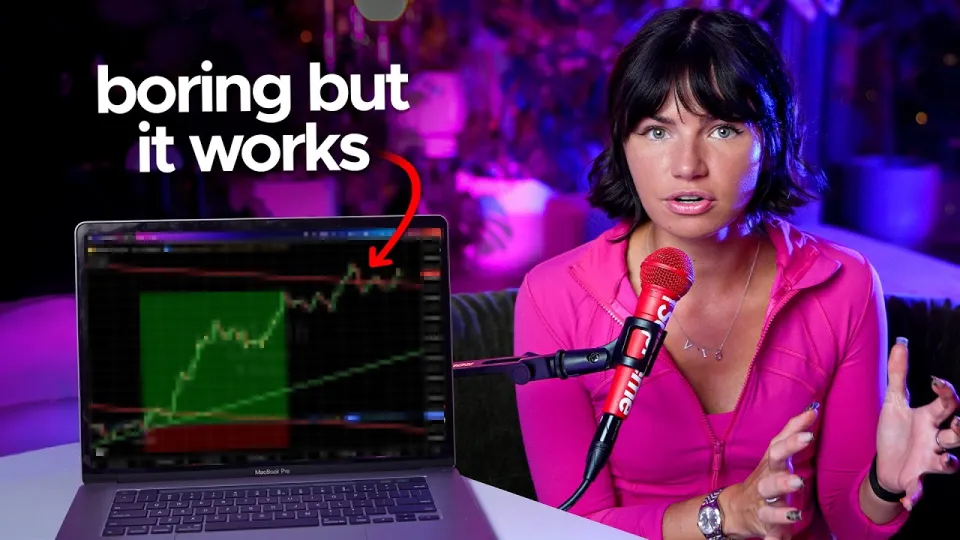
Video: Unfortunately, trading really is this simple
Need articles like this for your video? They help promote it on YouTube and Google — order them in the Telegram bot @sat_sit_bot. Articles with your video embedded are written and posted by the bot itself — on popular topical sites (no ads). Your first 50 articles are free.
· based on the channel Tori Trades
Key takeaways
- Trendlines help identify market direction and entry points.
- Risk management is essential to protect capital in futures trading.
- Simple trading systems do not require advanced math or economics degrees.
- Monitoring trades actively can prevent large losses in volatile markets.
- Testing strategies on platforms like TradingView is crucial for success.
Trading is simple when you focus on mastering essential tools like trendlines and effective risk management. You don't need a degree in economics or advanced mathematics; instead, applying straightforward strategies can help you make consistent profits in the futures market. For those interested, joining a waitlist for a trading system can provide structured guidance: Join the Waitlist for Trading System.
Why Trading Is Simpler Than You Think
Trading futures or forex doesn't require complicated formulas or insider knowledge. The key is understanding market trends and managing your risk properly. This approach allows traders to avoid being overwhelmed by market noise and focus on the trade setups that matter. By using trendlines to spot market direction and combining them with clear entry and exit rules, you can simplify your trading decisions and increase your chances of success.
Using Trendlines to Identify Trades
Trendlines are among the most fundamental tools in trading. They visually represent support and resistance levels, showing where prices tend to bounce or reverse. To use trendlines effectively:
- Draw a line connecting at least two significant swing highs or lows.
- Confirm the trend by observing multiple touches without breaking the line.
- Enter trades when price bounces off the trendline or breaks it with volume.
This simple method helps traders decide when to enter or exit positions in futures markets like gold or oil, where volatility can be high but manageable with proper timing.
Managing Risk to Protect Your Capital
Risk management is critical in trading, especially in volatile futures markets. Key steps include:
- Setting stop losses just below trendline support or above resistance.
- Limiting risk per trade to a small percentage of your total capital.
- Actively monitoring trades to react quickly to sudden market moves.
For example, one trader shared how quick market shifts in gold futures led to thousands of dollars in losses if stops weren't placed correctly. Managing risk ensures that even unexpected moves don't wipe out your account.
Common Trading Questions and Challenges
Many traders ask where exactly to place stop losses relative to trendlines, how to handle volatile assets like gold, and how to differentiate futures trading from stock trading. The answers include:
- Place stops slightly beyond the trendline to avoid premature exits from normal market noise.
- Volatility requires extra vigilance; be ready to exit fast if the market moves against you.
- Futures trading often involves leverage and continuous markets, so the strategy differs from stocks, which may be affected by algorithms differently.
Understanding these nuances can improve your trade management and overall results.
Testing Your Trading Strategy
Testing your trading ideas on platforms like TradingView allows you to practice without risking real money. By following the step-by-step system laid out in this approach, you can validate your entries, exits, and risk controls. This hands-on practice is invaluable before committing real capital.
Useful Resources for Traders
- Join the Waitlist for Structured Trading System
- Trade Tracking Software TradeZella (use code TORI20 for discount)
- Broker: TradeStation
- Tori Trades Instagram
Conclusion
Trading really is simple when you focus on clear principles such as trendline analysis and risk management. You don't need to be a finance expert or a math genius; disciplined application of these strategies can lead to consistent profits. The trading system shared by Tori Trades offers a transparent, step-by-step method to help you apply these concepts practically. Start testing your strategies today and consider joining the waitlist to access further guidance and tools.
Remember, trading involves risk, and continuous learning and adaptation are vital to success. For more insights and educational content, explore Tori Trades' resources and community.
Source: Unfortunately, trading really is this simple · Markdown version
Questions & answers
How do I decide where to place stop losses when trading with trendlines?
Stop losses should be placed just beyond the trendline to avoid being stopped out by normal market fluctuations. This placement protects your trade while allowing some room for price movement.
Why is gold considered a volatile asset in trading futures?
Gold prices can change rapidly within seconds due to market news, geopolitical events, or sudden shifts in supply and demand. This volatility demands active management and quick decision-making to avoid significant losses.
How is trading futures different from trading stocks?
Futures trading often involves leverage and continuous market hours, making it more sensitive to price moves and requiring different strategies. Stock trading can be influenced more by algorithmic trading and has different risk profiles.
Can beginners succeed using simple trading systems without advanced knowledge?
Yes, beginners can succeed by focusing on fundamental strategies like trendlines and risk management. These approaches do not require advanced math or economics degrees but do require discipline and practice.